
How Wheel Material Affects Safety and Long-Term Performance
Most drivers don’t give much thought to the material their wheels are made from. As long as they look good and get the job done, it’s easy to assume they’re all roughly the same. But wheel material affects more than just appearance—it influences safety, durability, and how your vehicle handles wear, weather, and weight.
Choosing between steel and alloy wheels shouldn’t come down to looks or price alone. Each has strengths and weaknesses depending on how and where you drive. And in some situations, the wrong decision can lead to a lot more than just early wear or poor fuel efficiency.

In this article:
Key Differences Between Steel and Alloy Wheels
Strength and Durability
Steel wheels are made from pressed and welded sheets of carbon steel. They’re heavier and less likely to crack under stress. If they do get damaged, they typically bend instead of breaking outright—something that can be repaired in many cases.
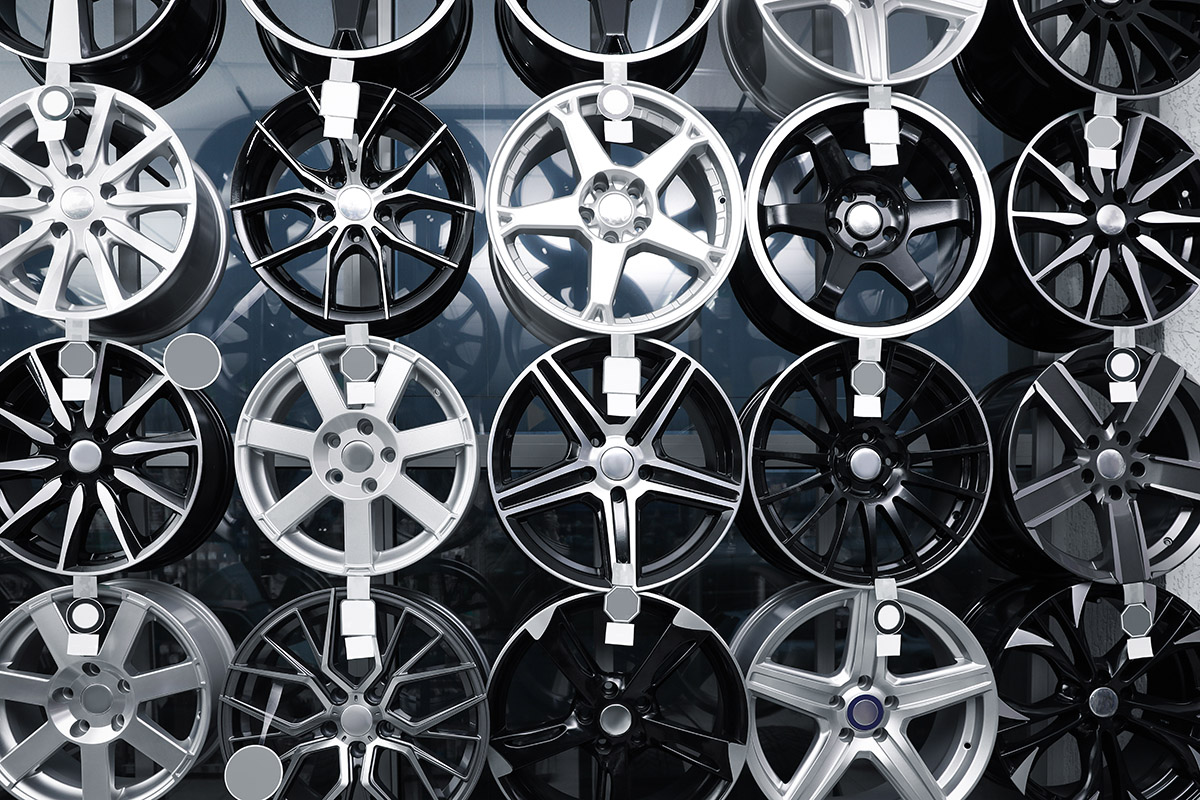
Alloy wheels, usually made from aluminum or magnesium blends, are lighter and more rigid. That rigidity improves responsiveness but can work against you under sudden impact. Unlike steel, alloy wheels are more likely to fracture than bend, which usually leaves replacement as the only safe option after a significant hit.
Weight and Handling
Alloy wheels weigh less than steel, which can benefit acceleration and fuel efficiency in some vehicles. They’re common in sports cars for a reason: lighter wheels reduce unsprung mass and allow for better handling on smooth pavement.
Steel wheels are heavier but provide better support under heavy loads. In everyday terms, that matters more if you haul equipment, tow trailers, or frequently drive with passengers and gear. The extra weight may slightly reduce efficiency, but it adds stability in harsh conditions.
Corrosion and Weather Resistance
Steel is prone to rust, especially in regions where roads are salted in winter. Even though most steel wheels are coated to reduce exposure, damage to the finish can lead to corrosion that spreads over time. That’s why it’s worth making sure the coating is intact—and why powder coating is sometimes used for added protection in tougher environments.
Alloy wheels don’t rust the same way, but they can corrode from exposure to moisture and chemicals. They’re not immune to weather damage, and road salt can still cause long-term pitting or finish failure. Polished or painted alloy wheels need maintenance to keep their protective finish intact.
| Feature | Steel Wheels | Alloy Wheels |
| Material Behavior | Bends under impact | Prone to cracking under stress |
| Repairability | Can often be repaired | Usually needs full replacement |
| Weight | Heavier | Lighter |
| Fuel Efficiency Impact | Slightly lower | Slightly higher |
| Corrosion Risk | Rust-prone if coating is damaged | Can corrode/pit over time |
| Appearance | More utilitarian | More refined and style-focused |
| Ideal Use Cases | Work trucks, off-road, heavy loads | Daily driving, performance, aesthetics |
| Cost to Replace | Generally lower | Generally higher |
Which Type Is Better for Daily Driving?
For daily commuters and typical city drivers, alloy wheels tend to be chosen for their lighter weight and more polished appearance. But weight savings only matter in very specific conditions, like aggressive cornering or high-speed performance. For most drivers, it’s barely noticeable.
What’s more important is how your wheels respond to road hazards. In areas with potholes, curbs, or inconsistent road quality, impact resistance and repairability matter more than weight. A steel wheel that bends on impact may be fixable. An alloy that cracks might leave you stranded.
What About Off-Road or Work Vehicles?
Drivers who take their trucks, SUVs, or utility vehicles into off-road conditions—or use them for heavy work—face a different set of concerns.
Steel wheels are preferred in these environments for a few reasons:
- They tolerate deformation under stress.
- They’re easier to repair if damaged.
- They’re typically less expensive to replace.
- They can handle added load without compromising strength.
Alloy wheels may look more refined, but they’re more susceptible to cracking under sharp impacts. In off-road scenarios with rocks, uneven terrain, and shifting weight, that becomes a liability. When safety and durability matter more than aesthetics, steel is the more practical option.
Stockton Wheel Service has long served customers in agriculture, construction, and off-road applications where alloy simply doesn’t hold up. In those cases, custom steel wheels built to match load, width, and usage patterns outperform generic aftermarket alloys every time.
Can the Wrong Wheel Choice Cause a Crash?
It’s rare, but yes—it happens. The wrong material, incorrect fitment, or low-quality manufacturing can contribute to catastrophic failure.
A cracked alloy wheel that breaks apart while driving can cause loss of control. A steel wheel that’s severely bent may shift tire pressure or alignment in a way that leads to dangerous handling. Both have been linked to accidents in real-world crash reports.
In some personal injury car accident cases, failure of a wheel that wasn’t suited for the vehicle has contributed to the crash. Whether it’s an improperly rated aftermarket alloy or a corroded steel rim that went too long without inspection, product selection plays a role in safety—and occasionally in liability.
That’s why Stockton doesn’t just ask for your vehicle make and model. They ask how you use it.
Signs It’s Time to Replace, Not Repair
Not every damaged wheel needs to be replaced, but some situations call for it. If you notice any of the signs below, replacement is the safer option:
- Cracks in the wheel structure – Especially in alloys, cracks near the spokes or hub are a sign of compromised integrity.
- Deep corrosion or pitting – Surface rust can be treated, but deep corrosion—especially around the bead seat—can make the wheel unsafe.
- Severe bends or warping – Minor bends may be repairable, but once the wheel no longer holds its shape or seals properly with the tire, replacement makes more sense.
- Vibration at highway speeds – A bent wheel can cause balancing issues that affect handling and tire wear.
- Air leaks that won’t resolve – Leaks around the bead or through the wheel structure may indicate deeper damage.
If you’re not sure, bring the wheel in for an inspection. Shops like Stockton Wheel specialize in evaluating structural safety, not just surface appearance.
How to Choose the Right Wheel for Your Driving Conditions
The best wheel for your vehicle isn’t always the one that came with it—or the one that looks best in a catalog. Your choice should match how you drive, where you drive, and what kind of stress your wheels take on a weekly basis.
For rough roads or high-impact conditions: Steel is more forgiving and repairable. If you hit curbs, drive on unpaved roads, or face harsh winters, this may be the better option.
For high-speed driving or performance builds: Alloy may offer better responsiveness, especially in sports coupes and performance sedans where weight and heat dissipation come into play.
For towing or work use: Stick with steel. The added strength supports heavier loads and resists deformation when you need stability most.
For appearance or fuel efficiency concerns: Alloy is lighter and typically has a more refined look—but the safety tradeoff should still factor into the decision.
When in doubt, talk to a wheel manufacturer that can guide you based on real usage—not just product specs.
Bottom Line: Safety Starts with Fit and Function
Whether you choose steel or alloy comes down to how you drive—not just what you drive. A good-looking wheel that’s wrong for your terrain, load, or environment is more than an inconvenience—it’s a liability.
Wheel safety starts with the right material, the right size, and a shop that understands both. If you’re ever unsure, get a second opinion before risking a failure that could have been avoided.
Disclaimer: This article is intended for general informational purposes only and does not replace professional mechanical inspection or vehicle-specific guidance. Wheel selection and replacement decisions should be made based on your vehicle’s specifications, driving conditions, and a qualified technician’s recommendation. If safety is in question, seek a professional evaluation before operating the vehicle.