

Temperature-sensitive goods reach their destinations in perfect condition in today’s fast-paced logistics world, not just for luxuries, but also for necessities. In order to maintain the integrity of cargo, precise and dependable transport systems are necessary, whether the cargo is delicate pharmaceuticals or perishable foods.
Reliable automotive transport serves as the backbone of this cold chain, safeguarding quality while ensuring compliance, efficiency, and customer trust. Partners like https://www.divinetrans.com/page/reliable-company-for-transportation-temperature-controlled-goods must be chosen carefully, with a fleet, equipment, and protocols designed to ensure fragile cargo is protected during transit.
In this article:
Advanced Vehicle Technology: Keeping Temperatures Steady
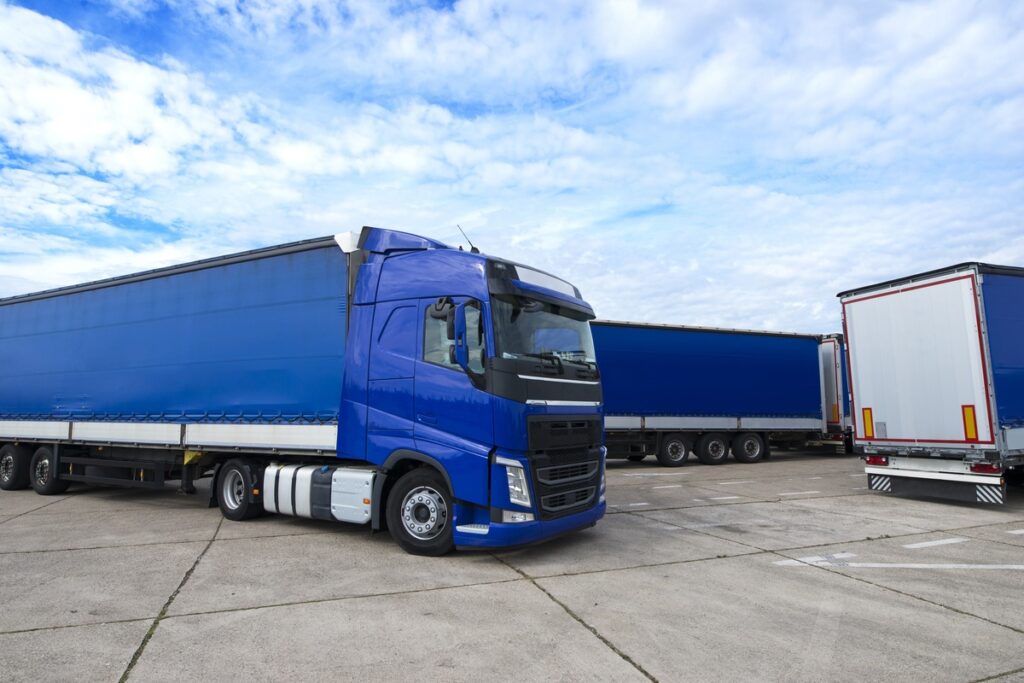
Modern refrigerated vehicles—often called reefers—employ state-of-the-art cooling systems to sustain specific temperature ranges, from sub-zero environments to moderate, chilled settings.
These units rely on advanced refrigeration tech, often paired with backup mechanisms, to mitigate risks of temperature fluctuations. Some motorcycles even have redundant refrigeration systems which activate a backup if the primary unit fails.
Such sophistication ensures the goods remain safe, whether transported by road, rail, or intermodal shipping. Without such reliability, perishable items risk spoiling, vaccines could lose efficacy, and costly returns or reputational damage may follow.
Real-Time Monitoring and Data Visibility
Effective cold-chain logistics depend not only on quality equipment, but also on continuous oversight. GPS-integrated IoT sensors and a host of data-logging systems monitor temperature and location in real time. These systems instantly alert operators if any deviation from the required temperature occurs—enabling rapid corrective actions before spoilage or damage ensues.
This transparency not only protects cargo but also builds accountability, trusting that every refrigerated vehicle is functioning within precise parameters throughout the journey.
Regulatory Compliance: Upholding Industry Standards
Temperature-sensitive logistics are governed by strict regulatory frameworks—especially for pharmaceuticals and food. Organizations like IATA, WHO, the EU’s GDP, and national bodies impose standards to ensure product safety and handling integrity.
ATP or CEMAFROID certifications (depending on region) ensure refrigerated vehicles meet technical requirements-preventing fines, cargo rejections, or legal issues. Choosing a partner that already meets and maintains these standards simplifies compliance while guaranteeing smoother operations.
Protecting Product Integrity and Extending Shelf Life
Temperature-sensitive products are susceptible to quality deterioration, contamination, or loss of potency if exposed to improper conditions. Reliable automotive transport maintains consistent temperature control—preserving the freshness, safety, and efficacy of your cargo.
This protection not only reduces waste and financial loss, but also allows businesses to expand their market reach—delivering goods farther and more safely than otherwise possible.
Efficiency, Cost Savings, and Risk Mitigation
Uncertainties during transport—like temperature deviations or delays—can be costly. Real-time monitoring, combined with well-maintained temperature-controlled fleets, helps minimize these risks. Issues are identified and resolved promptly, reducing the likelihood of costly product loss or returns.
Extra investments in technology and training may seem upfront, but they save money long-term by cutting waste, optimizing delivery routes, and avoiding spoiled goods.
Expertise and Training: The Human Element
Even the best vehicles and systems are only as effective as the people operating them. Proper training in cold-chain handling, equipment protocols, and emergency response is essential Skilled operators and drivers ensure that temperature-controlled cargo stays within compliance—and that protocols are followed to the letter.
The following are insider accounts from logistics professionals that emphasize the importance of hands-on training:
“I do pure fridge work… when it went into auto defrost…I was watching the temp hit 6 °C…and hoping it would finish the cycle and get down”.
These experiences underscore that without proper training, even advanced transport systems can fail to protect cargo.
A Well-Orchestrated Cold Chain
Temperature-controlled transport doesn’t happen in isolation—it’s part of a larger cold chain that includes production, storage, handling, and distribution. Effective cold chains require uninterrupted refrigeration, trained personnel, compliant vehicles, and robust data systems to ensure goods are preserved from origin to delivery.
Selecting a reliable automotive transport partner means entrusting your cargo to a coordinated ecosystem—one where every stage is aligned to protect your goods.
Final Thoughts: Why Reliability Isn’t Optional
Reliable automotive transport is the lifeline for temperature-controlled logistics. It provides:
- Preserved quality and safety of sensitive products.
- Regulatory peace of mind, avoiding legal or compliance pitfalls.
- Operational efficiency, reducing waste and optimizing delivery.
- Human reliability, through trained teams and skilled execution.
- Supply chain integrity, with end-to-end monitoring and coordination.
Especially when you trust a reliable company for transportation temperature-controlled goods, you’re investing in more than delivery—you’re investing in protection, trust, and performance. In an industry where a single degree can determine outcome, reliability isn’t just important—it’s everything.