
When heading off the beaten path, protecting your vehicle’s body becomes an important part of preserving both the look and function of your rig. Off-road trails often involve sharp rocks, thick brush, mud, and uneven ground that can quickly take a toll on exposed surfaces.
Without preparation, scratches, dents, and paint damage are almost guaranteed. The rugged environment demands special attention to the body and finish to maintain durability over time.
In this article:
What Are the Challenges of Off-Road Terrain?
Off-road trails present hazards far different from city streets. Jagged rocks can scrape or puncture panels. Low-hanging branches often scrape sides and roofs. Gravel and sand constantly impact undercarriage and wheel wells. Water crossings introduce mud and grime that settle into crevices.
Each of these threatens the vehicle’s exterior, often in subtle ways that add up.
Even the smallest scratches that cut through a vehicle’s protective paint layer expose the metal beneath. Water exposure accelerates corrosion, and that rust can weaken structural integrity. Over time, neglected trail damage leads to more extensive and costly repairs.
Protective Measures Before the Trail
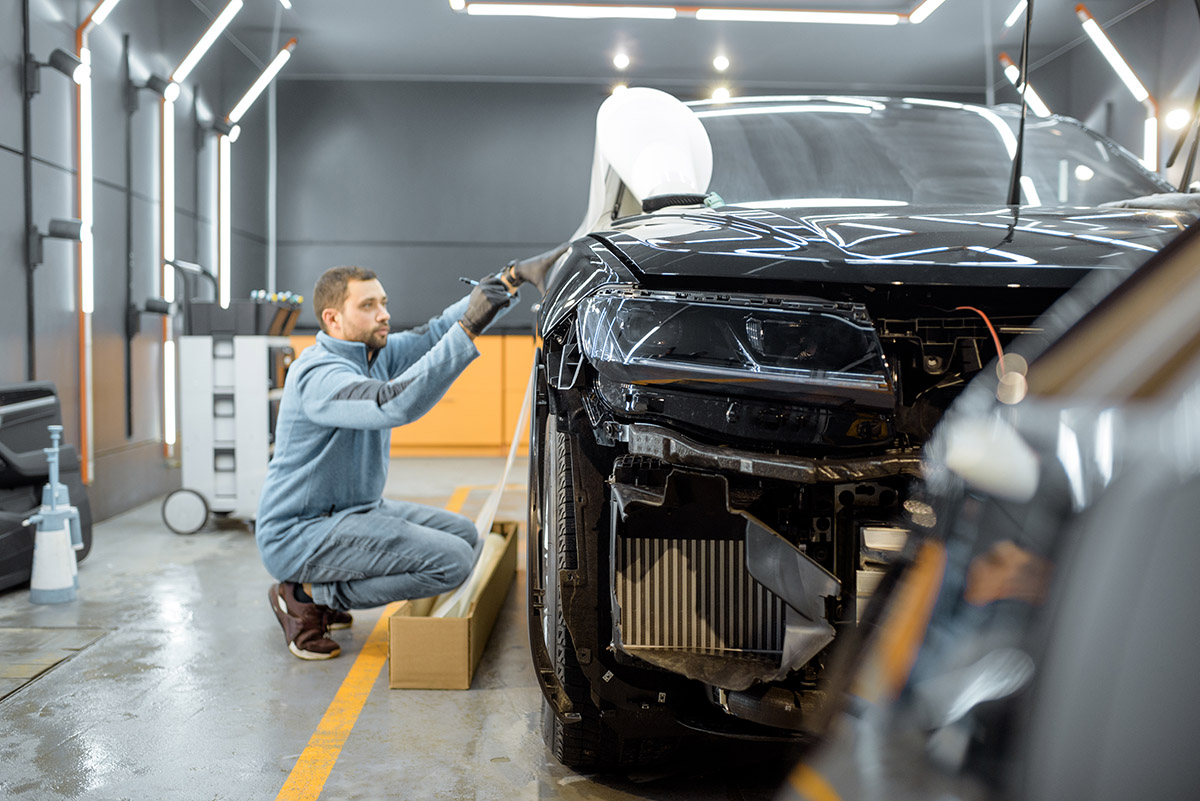
Preparation begins with adding protective layers such as paint protection film. This transparent, adhesive film acts as a shield over factory paint, absorbing impacts from small rocks, branches, and debris. Applied to vulnerable areas like fenders, door edges, and hoods, it preserves the original finish while resisting scratches and chips.
Besides paint films, ceramic coating strengthens the surface. Unlike traditional wax, ceramic coatings form a chemically bonded layer that resists contaminants, dirt, and water. This hydrophobic layer reduces staining and makes cleaning easier. Though it does not stop dents, ceramic coating protects the paint’s integrity from wear and minor abrasions, preserving gloss and color.
Physical Armor and Reinforcements
Beyond coatings and films, physical armor greatly reduces damage from off-road hazards. Rock sliders attached to rocker panels absorb impacts from rocks or logs that might otherwise dent doors or side panels. These sliders serve double duty by acting as stepping points for entering or exiting raised vehicles.
Skid plates mounted underneath protect the undercarriage from stumps, boulders, and uneven terrain. These plates shield suspension components, fuel tanks, and the transmission, guarding against costly damage.
Upgraded steel or aluminum bumpers offer more than just style. They resist crushing forces and deflect impact from obstacles during slow maneuvers. Many bumpers come equipped with recovery points and winch mounts, heightening off-road capability.
Fender flares extend outward to cover larger tires, reducing rock and mud thrown against the body. This lowers the frequency of paint chips and dents along wheel wells and adjacent panels.
Tire and Wheel Considerations
Tires influence the protection of the vehicle’s body. Off-road tires with reinforced sidewalls prevent rocks from cutting through and hitting wheel wells or suspension parts. Wider tires throw debris farther away from the body rather than slinging it directly against panels.
Strong, impact-resistant wheels made from alloy or steel reduce the risk of rim damage from trail hazards. Maintaining proper tire pressure also plays a part. Underinflated tires can lead to rim damage and increased sidewall stress, resulting in blowouts or loss of control.
Driving Techniques to Minimize Damage
Driving style impacts how much the vehicle’s body endures. A measured approach helps avoid unnecessary scrapes and dents. Slow crawling over rocks allows tires and suspension to absorb impacts, preventing sudden jarring that can damage fenders and bumpers.
Choosing the smoothest path through tight trails reduces contact with brush and obstacles. Using a spotter when visibility is limited allows for better positioning and less chance of side panel damage.
Avoiding high-speed trail sections where loose rocks are thrown against the vehicle’s underside and sides reduces paint damage and dents.
Routine Maintenance After Off-Road Use
After a trail run, cleaning is more than cosmetic. It plays a part in preservation. Mud and dirt hold moisture that can accelerate paint wear and promote corrosion. These particles also act like abrasives when trapped in crevices or under panels.
A thorough rinse removes contaminants and reveals any damage sustained. Checking for scratches, chips, or dents immediately after off-roading allows for quicker repairs before rust takes hold.
Regular inspections should include wheel wells, rocker panels, and undercarriage areas where debris tends to accumulate.
Repairing Trail Damage
Even with preparation, some damage is inevitable. Taking care of scratches and dents early prevents worsening issues. Small chips can be touched up using paint pens matched to the factory color, slowing corrosion.
For dents without paint damage, auto body repair professionals can use paintless dent repair methods. These techniques restore body panels without requiring repainting, preserving the original finish and reducing downtime.
When paint is damaged, repairs may require repainting or refinishing. High-quality coatings and films make restoration easier and help prevent future damage.
Unexpected Threats: Weather and Environmental Influences
Off-road vehicles parked outdoors face weather hazards in addition to trail damage. Unexpected hailstorms can cause dents, especially on exposed body panels. Quick action is necessary to avoid prolonged damage.
Specialized hail repair for your auto uses paintless dent repair techniques to restore the vehicle’s body without stripping paint. This process saves time and maintains factory finishes.
Environmental influences such as intense sun exposure, dust, and moisture in certain off-road areas further stress a vehicle’s exterior. Ceramic coatings and protective films help resist fading and surface degradation caused by UV rays and harsh conditions.
Long-Term Investment in Protection
Investing in multiple layers of defense extends the life of an off-road vehicle’s body. Protective films and ceramic coatings reduce daily wear. Armor absorbs the harshest impacts. Routine cleaning and repair prevent small problems from becoming costly.
This approach helps vehicles maintain value and performance throughout many off-road adventures. Taking the time to protect and care for a vehicle’s body pays dividends by avoiding major repairs and preserving aesthetics.
Maintaining Trail-Ready Toughness
Protecting your vehicle’s body during off-road adventures demands foresight, proper equipment, and consistent upkeep. Paint protection film, ceramic coatings, physical armor, and mindful driving all contribute to preserving exterior integrity.
After every trail, careful cleaning and timely repairs keep damage from progressing. Those who invest in their vehicles this way enjoy longer-lasting performance and a more impressive appearance, mile after mile.