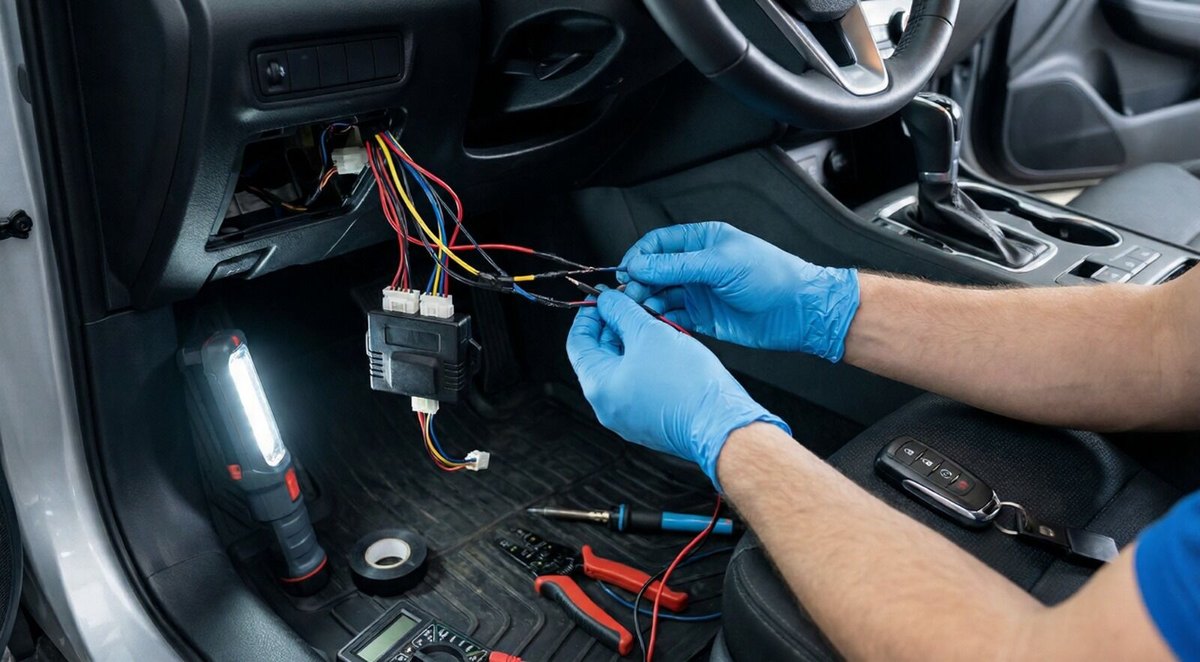

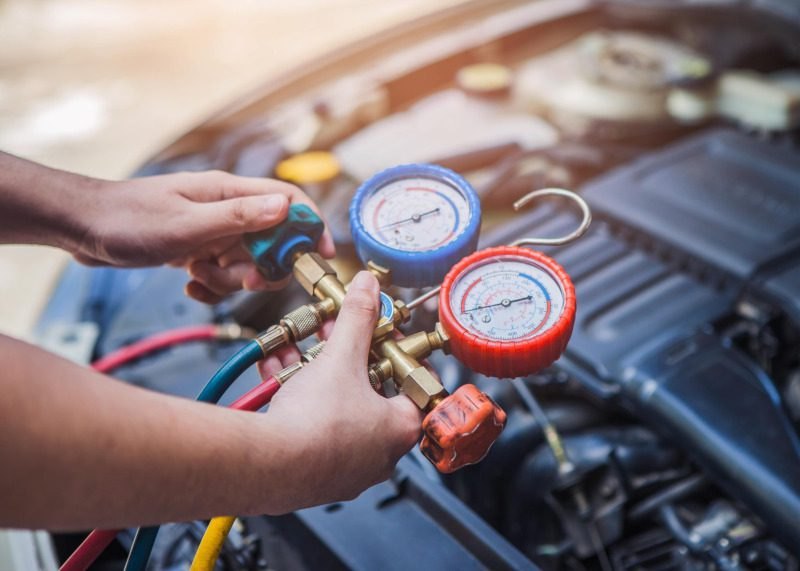
Few A/C problems are as noticeable as a system that stops producing cold air. It may seem that the compressor has failed and needs replacement, but that conclusion is often premature. An automotive A/C system depends on refrigerant circulation, seals, valves, electrical controls, sensors, and the compressor itself. Warm air can result from refrigerant loss, leaking seals, expansion-device faults, clutch or electrical problems, or genuine compressor wear. Before choosing a Car AC Compressor Repair Kit or replacement, the system should be diagnosed to identify the actual fault and determine whether repair is possible.
What Should Be Checked Before Ordering Expensive Parts
Good A/C diagnosis starts with measurements. Pressure readings can show how the refrigeration circuit is operating, but they must be interpreted according to the vehicle, ambient temperature, and system specifications. Abnormal pressure relationships can narrow the investigation without identifying the failed component by themselves.
Leaks should also be checked early. Refrigerant may escape through hoses, connections, seals, condenser or evaporator components, and compressor sealing surfaces. Finding the source is more effective than repeatedly refilling the system.
The compressor should then be assessed physically and electronically, depending on its design. Key checks include:
- System pressure and refrigerant condition.
- Signs of refrigerant leakage.
- Compressor and pulley noise.
- Clutch engagement or electronic control operation.
- Wiring, sensors, electrical supply, and related controls.
- Evidence of contamination or internal mechanical damage.
The condition of the refrigerant circuit also matters. Severe compressor failure can spread metal fragments or contaminated lubricant through the system, making simple component replacement insufficient. If the circuit remains clean and the fault is limited to a serviceable mechanical element, replacing the entire compressor may not be necessary.
Repairable Fault Versus Complete Compressor Failure
The main question is whether the compressor’s core mechanism remains suitable for service. Some faults are localized. A worn seal may cause leakage while the main assembly remains functional, while certain internal components can wear without making the entire compressor unusable.
A targeted repair is more reasonable when:
- The housing is structurally sound.
- Major rotating and load-bearing components are not seriously damaged.
- The fault involves identifiable replaceable parts.
- Sealing surfaces can be restored.
- The system has avoided serious contamination.
Rebuilding is less suitable when the housing, internal surfaces, rotating components, or other critical parts are severely damaged. Extensive contamination may also indicate that the compressor has reached the end of its practical service life. The decision should be based on its actual condition rather than age or one symptom. A rebuild makes sense only when the original assembly provides a sound foundation.
Choosing the Right Repair Path
When diagnosis confirms localized, repairable wear, targeted restoration can be considered. A Car AC Compressor Repair Kit may provide the required service components without replacing the entire assembly. Its purpose is to address specific worn parts when the main mechanism remains serviceable, not to make every failed compressor suitable for rebuilding.
Depending on the compressor and fault, parts may include seals, gaskets, valves, bearings, or other internal elements. Compatibility should always be verified before selecting parts or beginning disassembly.
A proper repair assessment should answer four questions:
- What failed? Identify the specific mechanical or sealing fault.
- Why did it fail? Determine whether another condition contributed to the wear.
- What remains usable? Inspect the housing, shafts, mating surfaces, and critical components.
- Can the repair be tested properly? Verify compressor and A/C system operation after reassembly.
Precision matters because compressor components operate under pressure, temperature changes, lubrication, and repeated mechanical movement. A part that looks similar may still have incorrect dimensions, material, or sealing characteristics.